Polaris Review
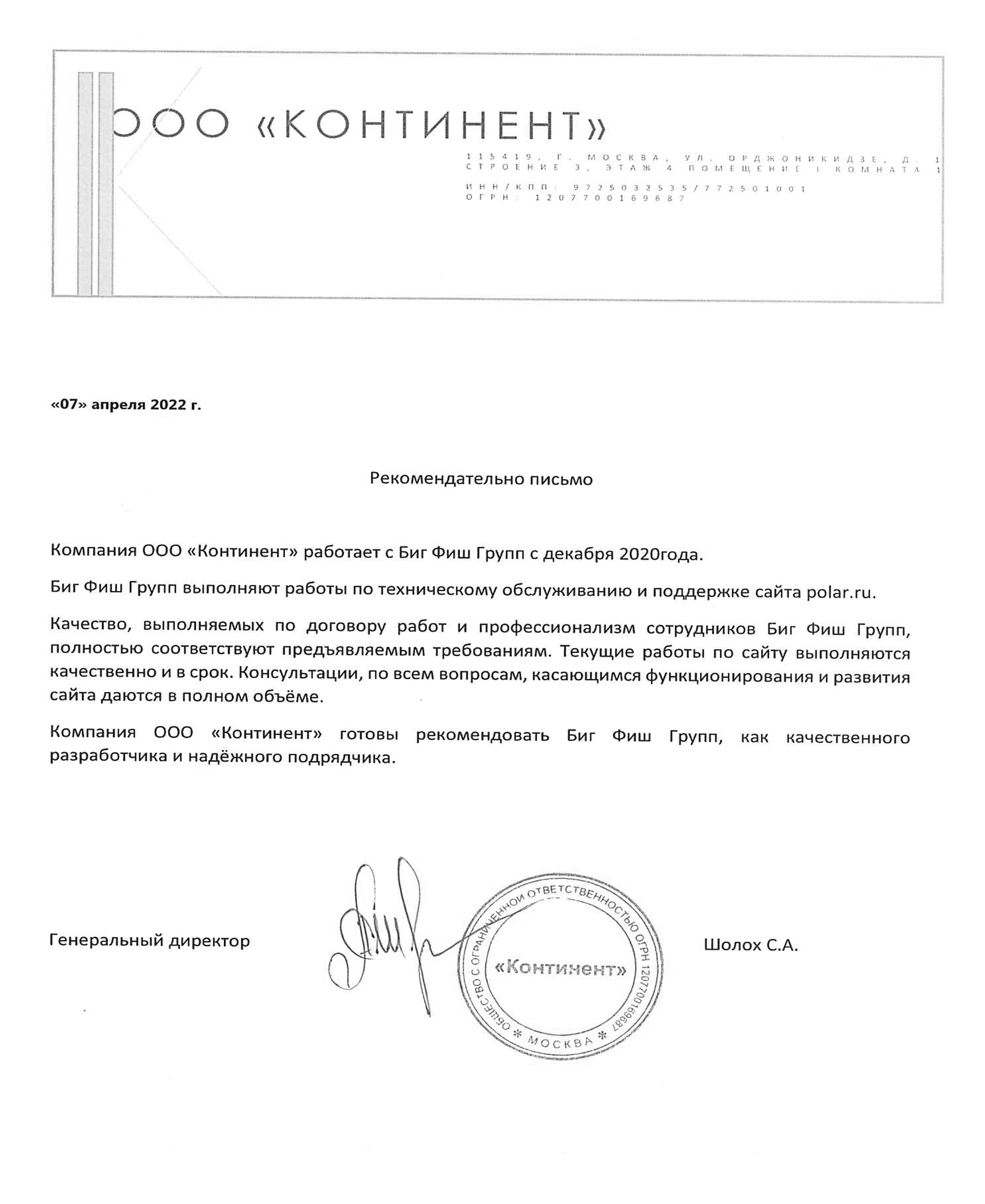
Letter of recommendation from the well-known POLARIS brand
We build websites for clinics, medical centers and laboratories

A clinic's website isn't a showcase of interior photos — it's the tool through which a patient decides whether to trust a particular doctor or medical center. Before booking an appointment, people want to know: does the clinic operate legally, what's the qualification of its specialists, how much will treatment cost, and what to expect during the visit.
BFD web studio develops websites for multidisciplinary clinics, diagnostic centers, dental practices, laboratories and medical equipment manufacturers. We build the site structure to ease patient anxiety and confirm the clinic's competence at every step.
In healthcare, the choice of a clinic is rarely made quickly. Patients compare several options, read about doctors, look for reviews, check for a license, and confirm prices.
If a website doesn't answer these questions directly, the patient moves on to a competitor — even if the clinic's actual quality of care is higher. That's why website development for the medical field is built around trust: accurate data, clear pricing, and transparent information about specialists.
The doctors section is one of the most visited pages on a clinic's website. Patients need more than a generic "experienced specialist" line — they want concrete facts: education, specialization, years of experience, certifications, continuing education, and the specific conditions the doctor treats.
We design doctor profile pages so a patient can match their concern to the right specialist and book an appointment directly, instead of searching for contact details separately.
Medical practice is licensed, and the website has to prove it. The license number, the list of authorized activities, company details, and branch addresses should be easy to find without extra digging.
This matters especially for paid clinics and laboratories: both individual patients and corporate clients arranging insurance coverage check these documents before making a decision. Missing this information undermines trust even when the design itself is strong.
A medical services catalog differs from a product catalog in one key way: patients often don't know the exact name of the procedure they need. They search by symptom, organ, diagnostic method, or the specialty they were referred to.
Before development, we study the clinic's service list and the logic patients use to choose treatment. Based on that, we design the section structure, filters, and service pages with descriptions, indications, pricing, and preparation instructions.
Booking is the key action on a clinic's website. It should take as few steps as possible: choose a specialty, a doctor, a convenient time, and confirm — without unnecessary forms.
The booking form can be linked to doctors' real schedules, so patients see actual available slots instead of submitting a blind request. For more complex cases, we add an online consultation or a pre-visit questionnaire.

The structure depends on the clinic's profile. Typically, a medical center's website includes information about the organization, doctors, specialties, services, pricing, diagnostic equipment, and test results.
For multidisciplinary clinics, we create separate landing pages for specific specialties and symptoms — this simplifies navigation and allows the site to be promoted for narrow medical search queries.
For laboratories and diagnostic centers, we add a patient portal where test results and visit history are available.
In healthcare, reputation is built over years and can be damaged by a single unanswered negative review. The website should show real patient feedback and the clinic's track record — not just a curated list of thank-you notes.
We integrate reviews from external platforms, add patient treatment stories, and build a publications section for doctors — this strengthens the clinic's expert standing with both patients and search engines.
A clinic's website rarely works in isolation. It usually needs to connect to a medical information system (MIS), a sales CRM, and telephony.
Integration lets appointment requests flow automatically into a doctor's schedule, captures the source of each inquiry, and keeps patient status synced between the website and the clinic's internal systems. For clinic networks, we also set up data exchange between branches.
Medical websites handle patients' personal data, so we pay particular attention to security: encrypted data transmission, access control within the patient portal, and personal data processing that complies with applicable regulations.
The technical architecture is built to scale — new specialties, branches, doctors, and growing inquiry volume shouldn't slow the site down.
Promoting a clinic's website starts with semantics built around how patients actually search, not just service names. People search by symptom, location, urgency, and the specialty of the doctor they need.
During website development, we structure pages around these search scenarios, set up meta tags, cross-linking between specialties and doctors, and technical indexing. This lets a clinic's site start generating traffic on long-tail medical search queries right after launch.
Work begins with an analysis of the clinic's specialties, doctors, services, and regional competitors. We then build the site structure, a prototype, and agree on the booking logic.
Once the prototype is approved, we prepare the copy and visual concept, followed by design, development, integrations, and testing of forms and the patient portal.
Before launch, we check the mobile version, load speed, booking accuracy, and technical indexing. After publishing, the site is handed off for support and further development.
Cost depends on the number of specialties, the size of the services catalog, whether a patient portal is needed, and integration with a medical information system. A dental clinic's website and a clinic network's portal require very different amounts of analysis and development.
At the start of the project, we prepare a preliminary structure, scope of work, and budget estimate.
The clinic gets a website that eases a patient's anxiety before their first visit and answers their questions upfront: who the doctor is, what it costs, whether the clinic is licensed, and how quickly they can book.
Such a website reduces the load on front-desk staff, increases the conversion of inquiries into bookings, and works as a source of new patients through search engines.

Healthcare Company
Project Cost: RUB 370,000
Technologies: HTML, CMS Wordpress
Frequently Asked Questions
It depends on the number of specialties, doctors, and whether a patient portal is required. Projects typically take one and a half to several months.
Yes, the scope of data exchange depends on the MIS in use and the clinic's needs: doctor schedules, booking statuses, test results.
Yes, we gather information from the clinic's specialists, conduct interviews if needed, and prepare the copy, which is then reviewed and approved by the medical staff.
Yes, the patient portal can include test results, appointment history, documents, and visit reminders.
Yes, after launch we can provide technical support and continue developing the SEO structure as the clinic's specialties expand.
Big Fish is an official partner of T-Bank, and we offer 12-month interest-free installment plans for projects up to 500,000 RUB.


We sign a contract and complete the project for you. Then you repay its cost to T-Bank in equal installments over 12 months.
Your application has been acceptedWe will contact you
soon.